
South Wales & Bristol specialists
Limestone floor cleaning and restoration
Professional deep cleaning, honing, polishing, repairs and sealing for tired or damaged limestone floors. We tailor the finish to your stone, from natural matt through to a light polish.
- Over 15 years’ experience
- Limestone restoration specialists
- Domestic & commercial
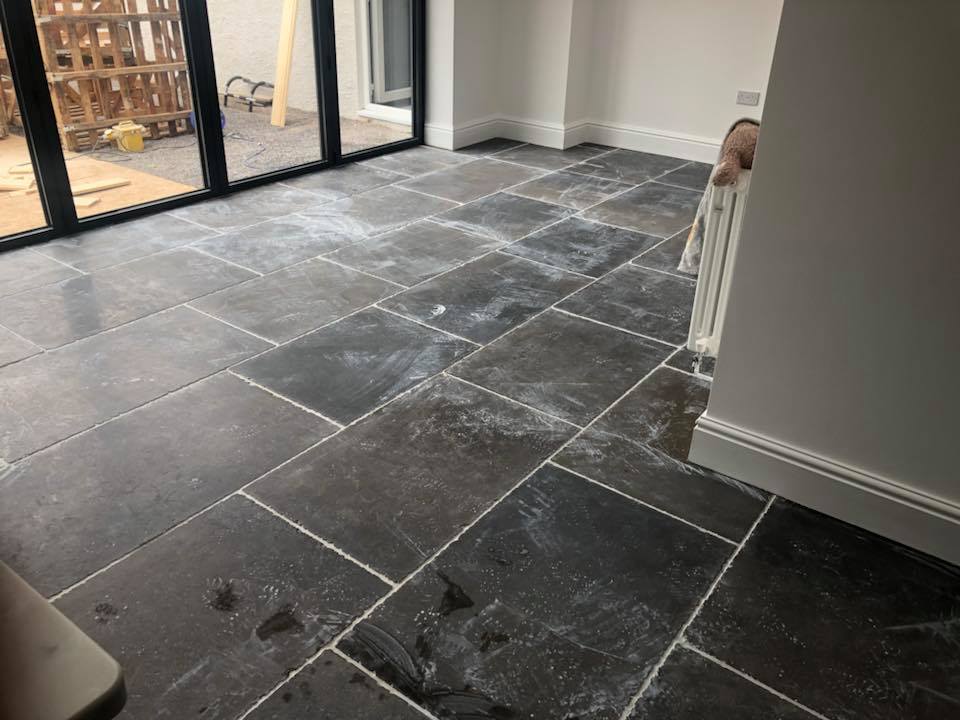
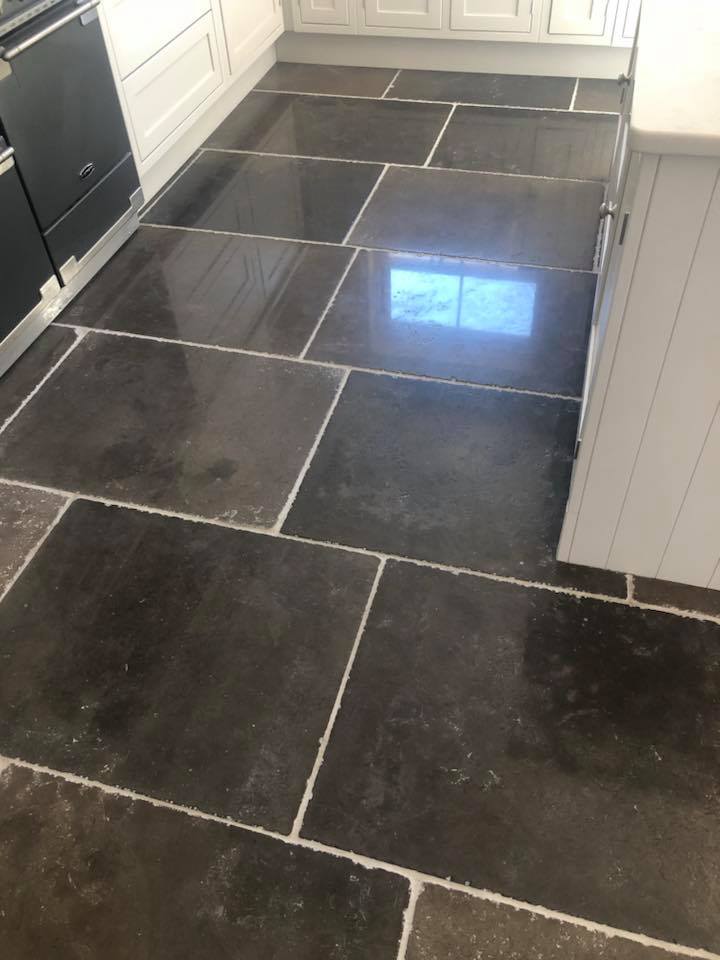
Restore rather than replace
Reveal the natural warmth of your limestone
Limestone can lose its clarity as fine scratches, ingrained soil, old sealants and unsuitable cleaning products build up. Because it is a calcium-based natural stone, it also reacts badly to acidic products that can etch and dull the surface.
We assess the limestone, grout, damage, existing finish and previous treatments before recommending the right level of restoration. This may range from a deep clean and impregnating seal through to honing, polishing and localised repairs.
- Deep cleaning of limestone and grout
- Removal of suitable coatings and residues
- Honing or polishing where required
- Filling of suitable holes and damaged areas
- Professional impregnating sealant
Common limestone problems
What can restoration improve?
A worn limestone floor is often recoverable once the surface is treated with the correct natural-stone system.
Dull or flat finish
Traffic and fine abrasion gradually reduce clarity and reflection through busy areas.
Etch marks
Acidic spills and cleaners can chemically damage the surface, leaving pale matt patches.
Ingrained soil
Porous stone and grout absorb contamination that ordinary mopping cannot fully remove.
Scratches and wear
Suitable honing can reduce many surface scratches and improve an uneven finish.
Holes and cracks
Localised damage may be filled with carefully chosen repair material where appropriate.
Old sealant
Previous treatments may become patchy or hold soil and require controlled removal.
A floor-specific treatment
Limestone restoration services
We recommend only the stages needed to achieve the agreed result.
Stone and grout cleaning
Specialist solutions and machinery loosen embedded contamination from the floor.
Honing
Diamond abrasives may be used to reduce wear, scratches and etching where suitable.
Polishing
Polishing powders can create a cleaner, brighter or lightly polished finish.
Filling and repairs
Suitable holes and damaged sections can be filled and blended as closely as practical.
Coating removal
Compatible methods are selected to remove appropriate sealants and product build-up.
Impregnating sealing
A professional penetrating sealer helps resist absorption without creating a surface film.
How we work
Our limestone restoration process
Every floor starts with assessment and testing because stone type, wear and previous treatments vary.
Assess
We inspect the finish, wear, damage, grout and coatings.
Test
The proposed method is checked on the stone where beneficial.
Restore
The floor is cleaned, stripped or honed as agreed.
Refine
Repairs and polishing stages are completed where required.
Protect
Once ready, a compatible impregnating sealer is applied.
Choose the appearance
Matt, satin or lightly polished
The best finish balances appearance, stone condition, room use and ongoing maintenance.
Natural matt
A softer, low-reflection finish that keeps the stone looking understated and natural.
Satin
A balanced finish with subtle reflection and improved colour definition.
Light polish
Polishing powders create a brighter finish where the limestone and room are suitable.
Protect the result
Sealing and limestone aftercare
An impregnating sealer helps slow the absorption of water and spills while retaining the stone’s natural feel. It does not make limestone stain-proof, scratch-proof or immune to acids, so appropriate aftercare still matters.
- Clean spills promptly
- Use a suitable pH-neutral stone cleaner
- Avoid vinegar, limescale remover and acidic products
- Avoid leaving concentrated detergent residue
- Arrange maintenance before heavy wear returns
Local limestone specialists
Serving South Wales and Bristol
We restore limestone floors in kitchens, hallways, living spaces and commercial premises throughout the region.
Customer feedback
Trusted natural-stone restoration
“The results surpassed our expectations. Thrilled with the service.”— Samantha Kitney
Frequently asked questions
Limestone restoration FAQs
Can you remove dull patches and etch marks?
Many surface etches and dull patches can be improved through honing or polishing. The achievable result depends on their depth, the stone and the chosen finish.
Does every limestone floor need polishing?
No. Some floors only need deep cleaning and sealing, while others suit a matt or satin honed finish. We recommend the appropriate level after assessment.
Can holes and cracks be repaired?
Suitable localised damage can often be filled and colour matched as closely as practical. Movement or deeper structural issues may require other remedial work.
Why does limestone need sealing?
Limestone is porous. An impregnating sealer helps reduce absorption and gives more time to deal with spills, although it cannot make stone completely stain-proof.
Can you quote from photographs?
Often we can provide an initial assessment from clear photographs, your postcode and approximate measurements. Complex damage or coatings may require an inspection.
Free limestone assessment
Show us your floor
Send photographs, your postcode, approximate floor size and details of its condition or previous treatment. We can often provide an initial assessment from this information.
Request your free quotation
Complete the form and we’ll respond as soon as possible.